
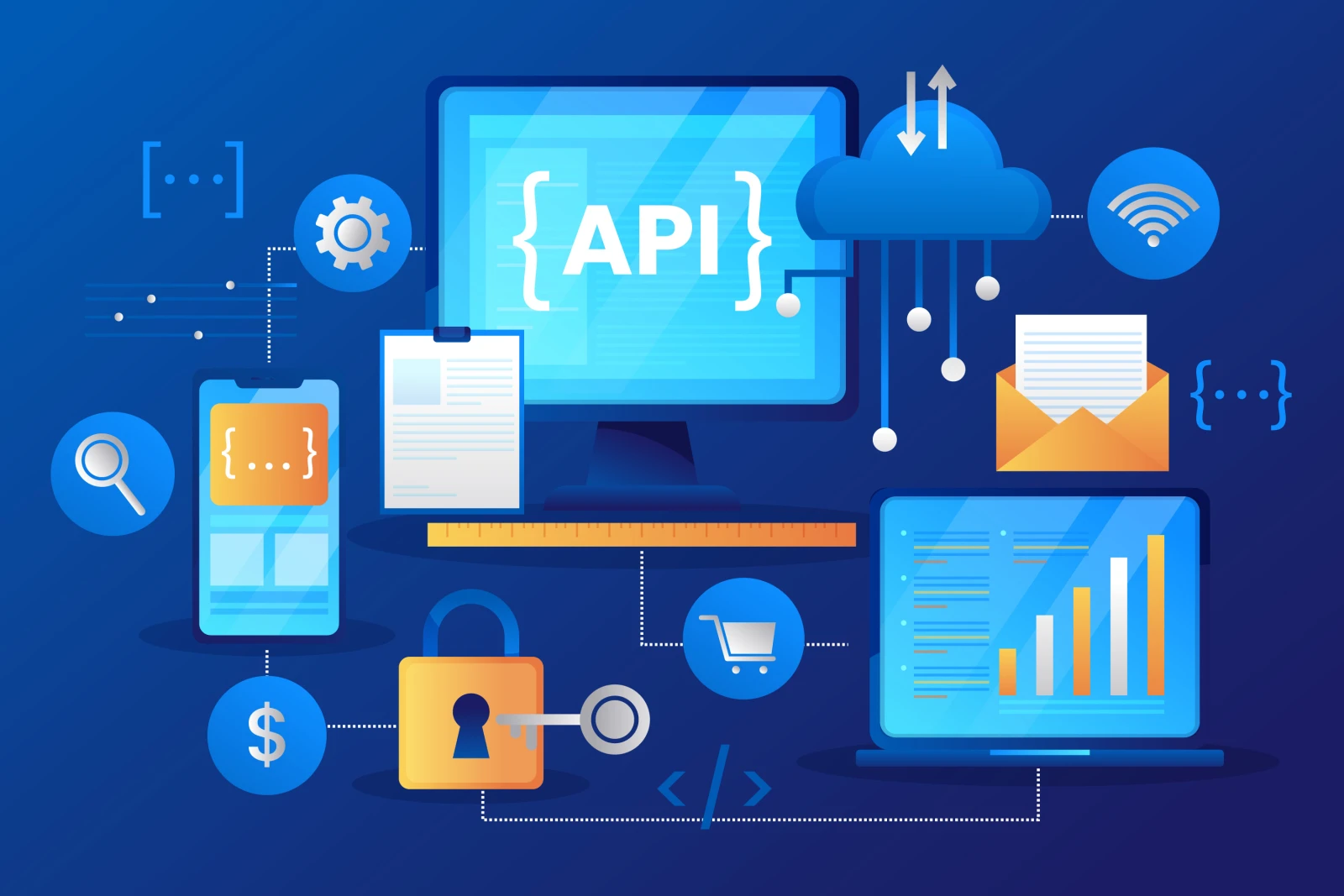
Modern Websites Are No Longer Standalone Platforms
Websites today do far more than display information.
Modern business websites handle:
- Lead generation
- Payments
- Customer support
- Email marketing
- Analytics
- Automation workflows
To manage all these operations efficiently, websites need to connect with multiple external systems.
This is where API integrations have become one of the most important parts of modern website infrastructure.
Instead of functioning as isolated platforms, websites are now becoming connected digital ecosystems powered by APIs.
If you want to understand how modern digital systems are evolving overall, you can also explore our guide on
web development in 2026.
What Are API Integrations?
API stands for Application Programming Interface.
An API allows different software systems to communicate and exchange data automatically.
In simple terms, APIs act like bridges connecting websites with external tools and services.
For example:
- A payment gateway communicating with an ecommerce website
- A CRM system receiving website leads automatically
- An automation platform triggering workflows after form submissions
Without APIs, most modern website functionality would require manual operations.

Why API Integrations Are Essential for Modern Websites
Businesses today rely on multiple digital systems simultaneously.
Common tools include:
- CRM platforms
- Email marketing software
- Analytics systems
- Payment gateways
- Automation tools
- Customer support platforms
API integrations allow all these systems to work together automatically.
This creates faster, smarter, and more scalable website operations.
How API Integrations Improve Website Functionality
1. Automated Lead Management
Modern websites often generate leads through forms, landing pages, and chat systems.
API integrations automatically send lead data into CRM systems like:
This eliminates manual data entry while improving response speed and organization.
2. Smarter Ecommerce Functionality
Ecommerce websites rely heavily on APIs.
API integrations help online stores connect with:
- Payment gateways
- Shipping providers
- Inventory systems
- Customer databases
Platforms like
Stripe
and
PayPal
use APIs to process secure online payments instantly.
3. Real-Time Automation Workflows
API integrations allow websites to trigger automated workflows immediately after user actions.
For example:
- User submits form → CRM updates automatically
- Payment received → Invoice generated instantly
- New order placed → Email notifications triggered
Automation platforms like
N8N
and
Zapier
connect APIs together to create advanced workflow systems.
4. AI-Powered Website Features
Modern websites increasingly use AI-powered APIs for:
- Chatbots
- Content generation
- Personalized recommendations
- Smart search systems
Platforms like
OpenAI
allow businesses to integrate artificial intelligence directly into website functionality.
5. Improved Customer Experience
API integrations create smoother user experiences by:
- Reducing delays
- Improving response speed
- Automating interactions
- Providing real-time updates
Customers now expect websites to function instantly and intelligently.
APIs help businesses meet these expectations efficiently.
How API Integrations Improve Website Performance
1. Faster Data Processing
Instead of manually transferring data between systems, APIs automate communication instantly.
This improves operational speed and reduces processing delays.
2. Better Scalability
As businesses grow, websites require more functionality.
API-driven systems make it easier to:
- Add new features
- Expand services
- Connect additional tools
This creates more scalable digital infrastructures.
3. Reduced Server Load
Many APIs allow websites to offload heavy processing tasks to external services.
This improves:
- Website speed
- Server efficiency
- Operational performance
4. Centralized Operational Systems
APIs connect multiple tools into one organized operational ecosystem.
Businesses gain:
- Better workflow visibility
- Improved operational control
- More efficient management systems

Real Example: API-Powered Business Operations
A growing online business was managing operations manually:
- Lead collection
- Email communication
- Order updates
- Client notifications
This created operational delays and inconsistencies.
After implementing API integrations:
- CRM updated automatically
- Emails triggered instantly
- Orders synced in real time
- Customer communication became automated
The result was faster operations, fewer manual tasks, and improved customer experience.
The Future of Websites is API-Driven
Modern websites are evolving into connected operational platforms rather than standalone pages.
Businesses are increasingly building:
- Automation-ready websites
- AI-integrated systems
- Connected operational infrastructures
- API-powered digital ecosystems
This shift is changing how businesses operate online.
Final Thoughts
API integrations are becoming one of the most important foundations of modern website development.
By connecting multiple business systems together, APIs improve:
- Website functionality
- Operational efficiency
- Automation capabilities
- Long-term scalability
The future of digital business growth will depend heavily on connected systems powered by APIs and automation.