

Future of Artificial Intelligence: Opportunities and Risks
Artificial Intelligence (AI) is transforming the way people live, work, and solve problems. From healthcare and education to business and entertainment, AI is driving innovation and improving efficiency. However, as AI continues to evolve, it also raises concerns about privacy, bias, and misinformation. Understanding both the opportunities and risks of AI is essential for building a responsible and innovative future.
What Is Artificial Intelligence?
Artificial Intelligence refers to computer systems that can perform tasks requiring human intelligence, such as learning, problem-solving, language understanding, and decision-making. Unlike traditional software, AI learns from data and improves over time.
Today, AI powers technologies like Google Search, Siri, Netflix recommendations, and Google Maps, making it a part of everyday life.
Opportunities of Artificial Intelligence
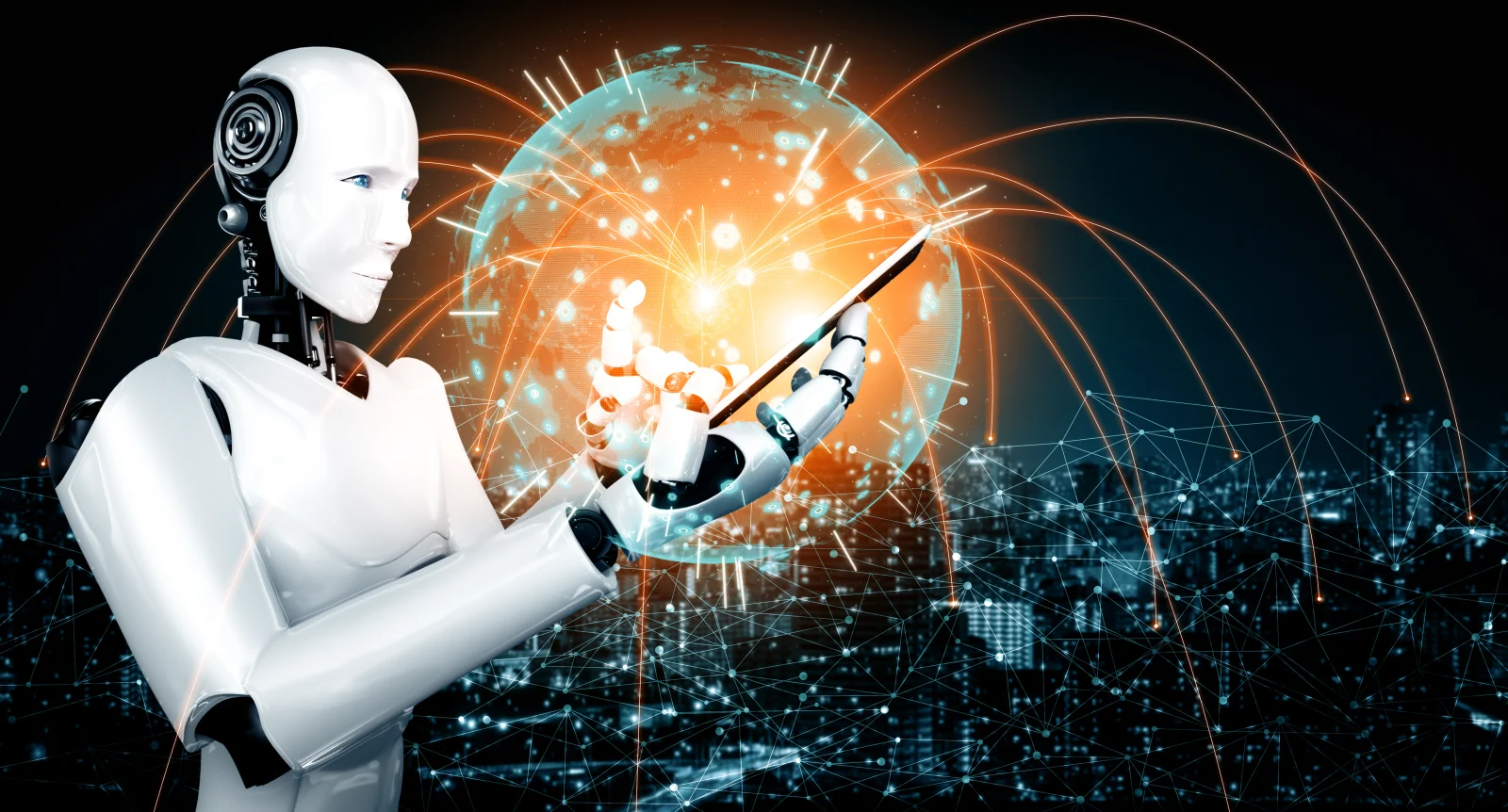
Transforming Healthcare
AI helps doctors detect diseases earlier, analyze medical images, and develop personalized treatment plans. It also accelerates medical research and drug discovery, thereby improving patient care.
Improving Education
AI makes learning more personalized by adapting lessons to individual student needs. Educational platforms use AI to provide instant feedback and customized learning experiences.
Boosting Business Productivity
Businesses use AI to automate repetitive tasks, improve customer service, analyze data, and make better decisions. Companies like Amazon use AI for product recommendations and inventory management.
Driving Innovation
AI is advancing industries such as finance, manufacturing, transportation, and entertainment. From fraud detection in banking to smart factories and content creation, AI is creating new opportunities worldwide.
Risks and Challenges of AI
Privacy and Data Security
AI relies on large amounts of data, raising concerns about how personal information is collected, stored, and protected. Strong cybersecurity measures are essential to prevent misuse.
Bias in AI Systems
AI can produce unfair results if it learns from biased data. This may affect hiring, lending, and other important decisions, making responsible AI development crucial.
AI-Generated Misinformation
AI can create realistic text, images, videos, and voices that may spread false information. Deepfakes and fake news highlight the need for digital awareness and responsible AI use.
AI Across Different Industries
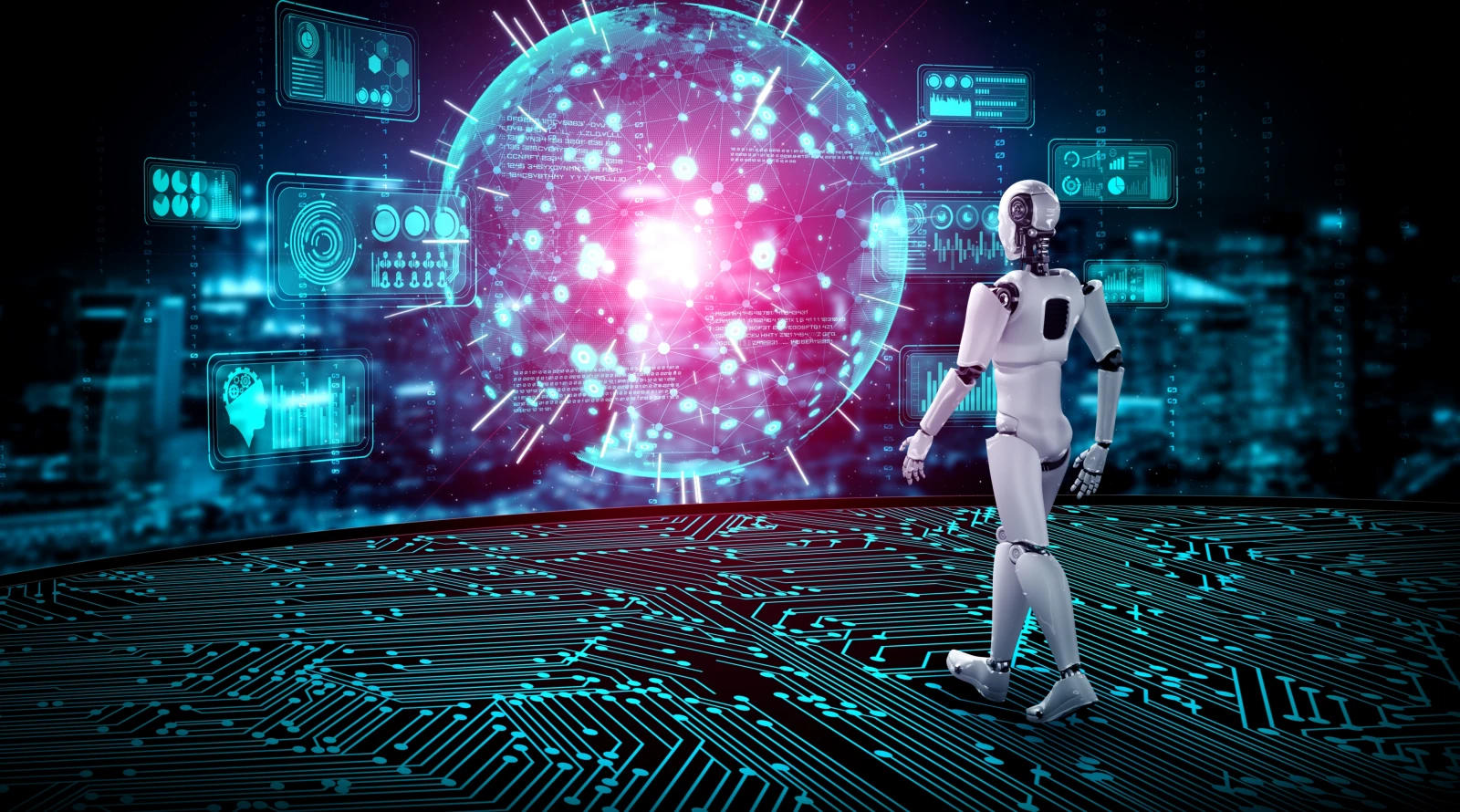
Healthcare
AI supports disease diagnosis, patient monitoring, and medical research, helping healthcare professionals deliver better care.
Finance
Banks use AI to detect fraud, assess financial risks, and provide customer support through AI-powered chatbots.
Manufacturing
Smart factories use AI to automate production, improve quality control, and reduce equipment failures.
Transportation
Navigation apps use AI to optimize routes, while self-driving technology continues to develop safer transportation solutions.
Entertainment
Streaming platforms recommend personalized content, while AI tools help creators write, design, edit, and produce digital content more efficiently.
Responsible AI Development
Ethical AI
Developers should build AI systems that are fair, transparent, and respectful of user privacy. Using diverse datasets helps reduce bias and improve accuracy.
Government Regulations
Governments play an important role in creating laws that encourage innovation while protecting people from AI misuse and safeguarding personal data.
Transparency and Human Oversight
Organizations should explain how AI systems make important decisions and ensure humans remain involved in critical situations. Transparency builds trust and accountability.
The Future of Artificial Intelligence
The future of AI will include smarter automation, improved healthcare, personalized education, and more efficient businesses. While some jobs may change because of automation, AI is also creating new career opportunities in technology, cybersecurity, and data science.
The greatest success of AI will depend on balancing innovation with ethical responsibility. By developing AI safely and responsibly, society can maximize its benefits while reducing potential risks.
Conclusion
Artificial Intelligence is shaping the future of technology and society. It offers significant opportunities to improve healthcare, education, business, and everyday life while presenting challenges related to privacy, bias, and misinformation. Responsible AI development, effective regulations, and human oversight will ensure AI remains a powerful tool for innovation and positive change.
Frequently Asked Questions (FAQs)
What is the future of Artificial Intelligence?
AI is expected to improve automation, healthcare, education, and business while working alongside humans to increase productivity and innovation.
What are the biggest opportunities of AI?
AI improves efficiency, supports medical research, personalizes learning, enhances customer service, and helps businesses make better decisions.
What are the main risks of AI?
The biggest risks include privacy concerns, biased decision-making, misinformation, cybersecurity threats, and job displacement in some industries.
Can AI replace human jobs?
AI can automate repetitive tasks, but it is also creating new careers in AI development, data science, robotics, and cybersecurity.
Why is responsible AI important?
Responsible AI promotes fairness, protects personal data, reduces bias, and ensures AI systems remain transparent, safe, and accountable.