

Digital Agencies Are Facing an Operational Bottleneck
Most digital agencies grow until they hit a point where operations become difficult to manage.
At first, handling clients manually seems manageable. But as projects increase, agencies start struggling with:
- Missed follow-ups
- Delayed communication
- Task overload
- Disorganized workflows
- Client management issues
This is why modern agencies are integrating AI assistants for workflow management.
Instead of relying completely on human coordination, agencies are now building systems where AI handles repetitive operational tasks automatically.
If you want to understand how modern digital systems are evolving, you can also explore our guide on
web development in 2026.
The Traditional Agency Workflow Problem
Most agencies still operate using disconnected tools and manual processes:
- WhatsApp for communication
- Email for updates
- Spreadsheets for tracking
- Manual reminders for tasks
As agencies scale, these systems become chaotic.
Team members waste hours managing operations instead of focusing on actual growth and service delivery.
What Are AI Assistants in Workflow Management?
AI assistants are intelligent systems designed to automate repetitive tasks, organize workflows, and improve operational efficiency.
For digital agencies, these systems can:
- Manage tasks automatically
- Generate reminders
- Handle client communication
- Organize project workflows
- Track performance data
Instead of acting as simple automation tools, AI assistants function more like digital operational managers.

How AI Assistants Improve Agency Workflow Management
1. Automated Task Management
AI assistants reduce manual task coordination by automatically:
- Assigning tasks
- Setting deadlines
- Creating reminders
- Tracking project progress
Project management platforms like
Asana
and
Trello
already integrate automation features that simplify team collaboration.
2. Faster Client Communication
Client communication is one of the biggest time-consuming parts of agency operations.
AI assistants help agencies:
- Send automatic responses
- Generate meeting summaries
- Schedule follow-ups
- Handle repetitive client queries
AI-powered systems like
Intercom
allow agencies to provide faster support without overwhelming teams.
3. Workflow Automation Between Tools
Modern agencies use multiple tools simultaneously:
- CRM systems
- Email platforms
- Project management tools
- Analytics dashboards
AI automation platforms connect these systems together.
Tools like
n8n
and
Zapier
allow agencies to automate entire operational workflows.
For example:
- New client inquiry → CRM updated automatically
- Project approved → Tasks assigned instantly
- Invoice paid → Client onboarding triggered
4. AI-Powered Reporting and Analytics
Manual reporting consumes massive amounts of agency time.
AI assistants now generate:
- Performance reports
- Client summaries
- Analytics insights
- Workflow recommendations
Platforms like
Google Analytics
help agencies monitor performance data automatically.
5. Improved Team Productivity
When repetitive operational tasks are automated, teams can focus on:
- Creative work
- Strategy
- Client relationships
- Business growth
This creates a more scalable and less stressful agency environment.
AI Assistants Are Changing Agency Structure
Traditionally, agencies needed more staff as workload increased.
Now, AI systems allow smaller teams to manage larger operations efficiently.
This shift is creating leaner agencies with:
- Lower operational costs
- Faster delivery systems
- Improved workflow efficiency
- Better scalability
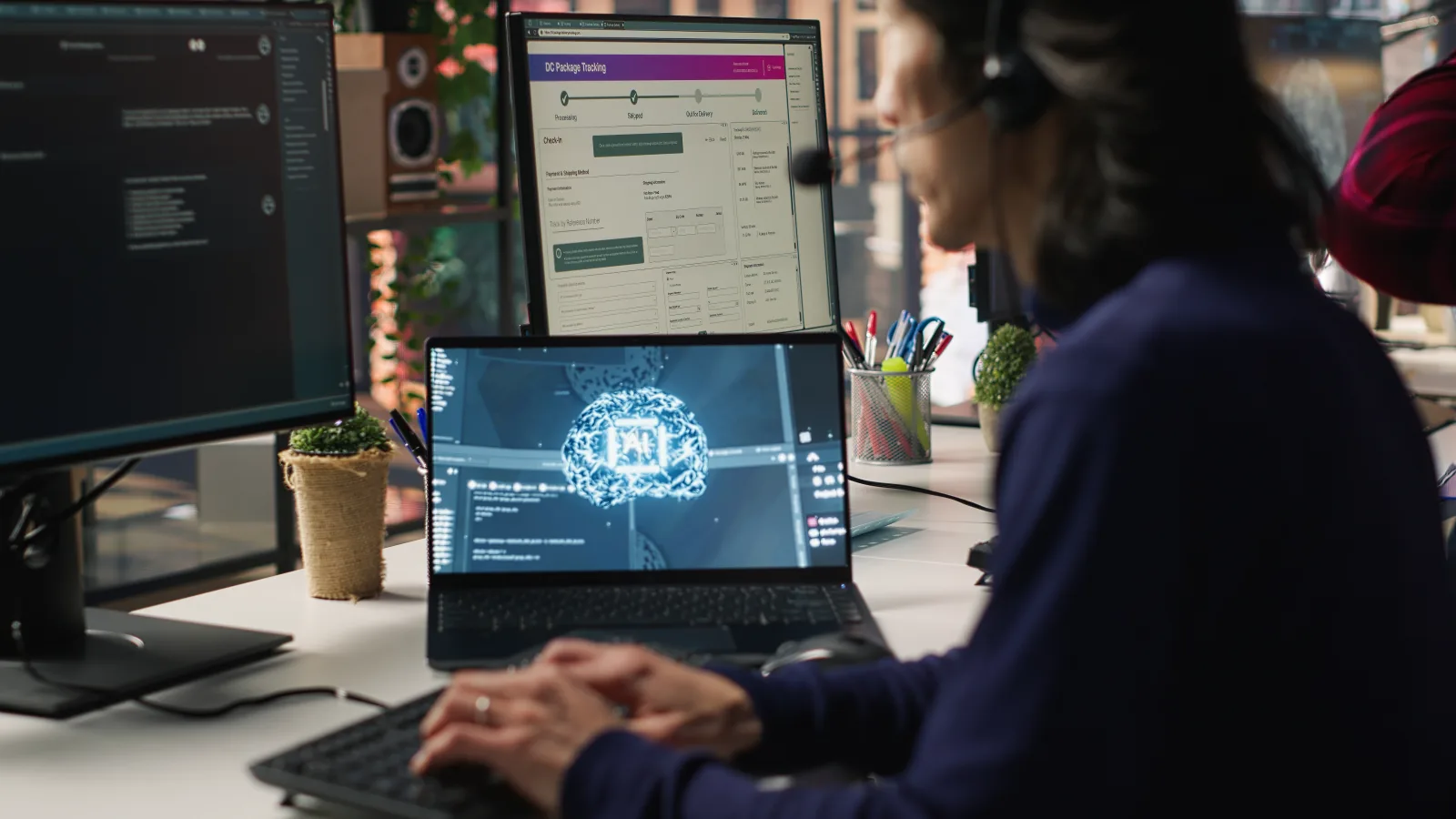
Real Example: AI Workflow Transformation
A digital agency managing multiple clients struggled with internal coordination and delayed communication.
After implementing AI workflow systems:
- Client onboarding became automated
- Project tasks were generated automatically
- Follow-up emails were systemized
- Reporting time reduced significantly
The result was not only faster operations but also improved client satisfaction.
The Agencies That Will Win in the Future
Agencies that continue relying entirely on manual operations will struggle to scale efficiently.
The future belongs to agencies that build:
- Automation systems
- AI-assisted workflows
- Centralized operational structures
- Smart communication systems
AI assistants are not replacing agency teams.
They are replacing inefficient operational systems.
Final Thoughts
Workflow management is becoming one of the biggest competitive advantages for digital agencies.
Agencies that integrate AI assistants early can operate faster, reduce operational stress, and handle growth more efficiently.
The future agency will not simply work harder.
It will operate through intelligent systems powered by AI and automation.