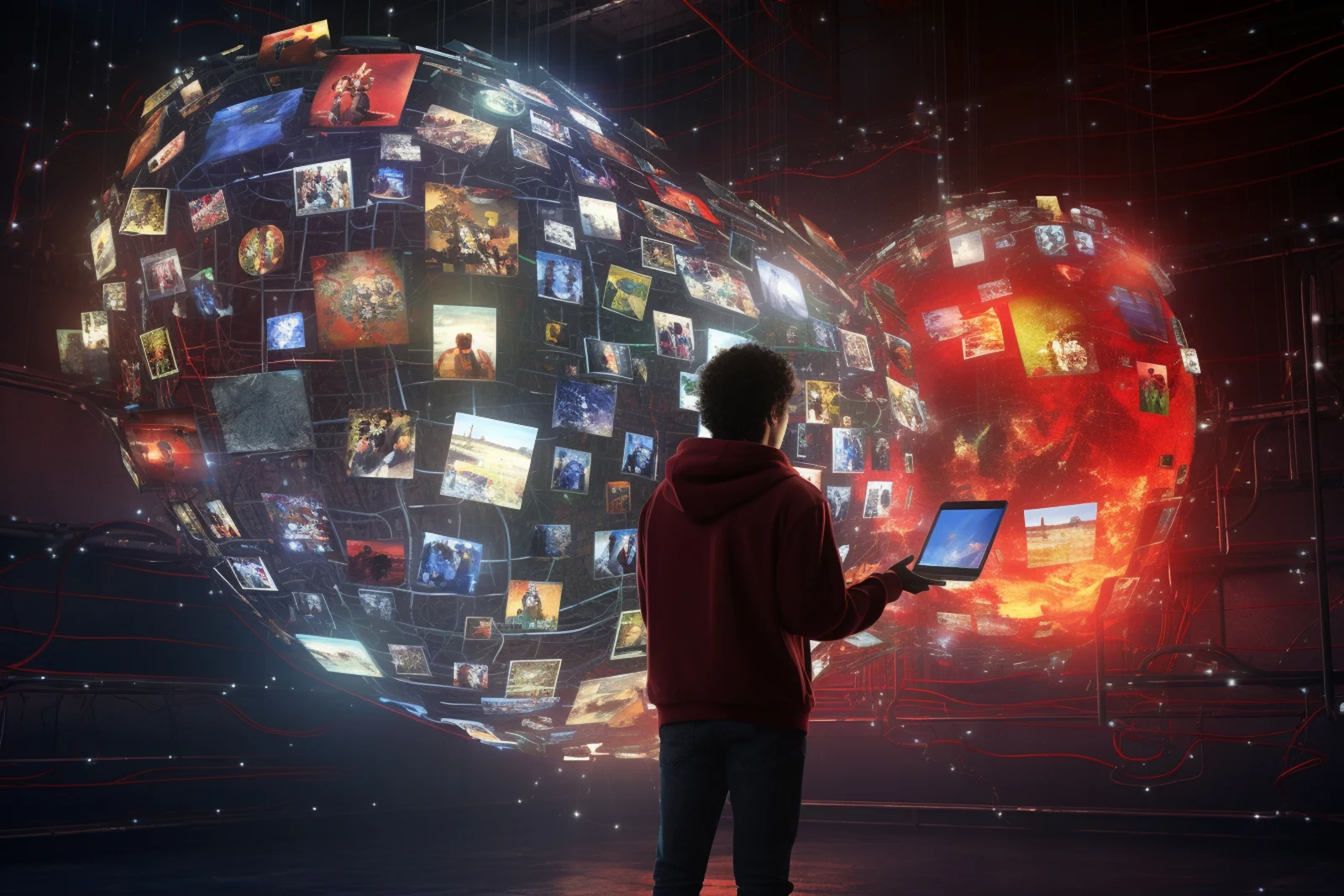
The Digital Media Revolution
The digital media revolution has completely changed the way people communicate and access information. Today, news, entertainment, education, and social interaction are available through smartphones, computers, and the internet. Digital mass media includes websites, social media, online newspapers, streaming platforms, podcasts, and mobile apps. It allows information to spread quickly, connects people around the world, and gives everyone a chance to share ideas. As technology continues to grow, digital mass media has become an important part of our daily lives.
How Digital Mass Media Connects the World
Digital mass media has made the world more connected than ever before. Through the internet and digital platforms, people can communicate, learn, and share information instantly, no matter where they live.
- Instant Communication: People can send messages, make video calls, and connect with anyone in seconds.
- Global News: News from any part of the world reaches us immediately through websites and social media.
- Knowledge Sharing: Students, teachers, and professionals can learn and share ideas online.
- Cultural Exchange: People discover different cultures, traditions, and languages through digital content.
- Business Growth: Companies can promote products and reach customers worldwide.
- Entertainment for Everyone: Movies, music, games, and live events are available anytime through digital platforms.
- Social Connections: Friends and families living in different countries can stay connected every day.
Digital mass media has turned the world into a global village, making communication faster, easier, and more accessible for everyone.
The Rise of Social Media Platforms
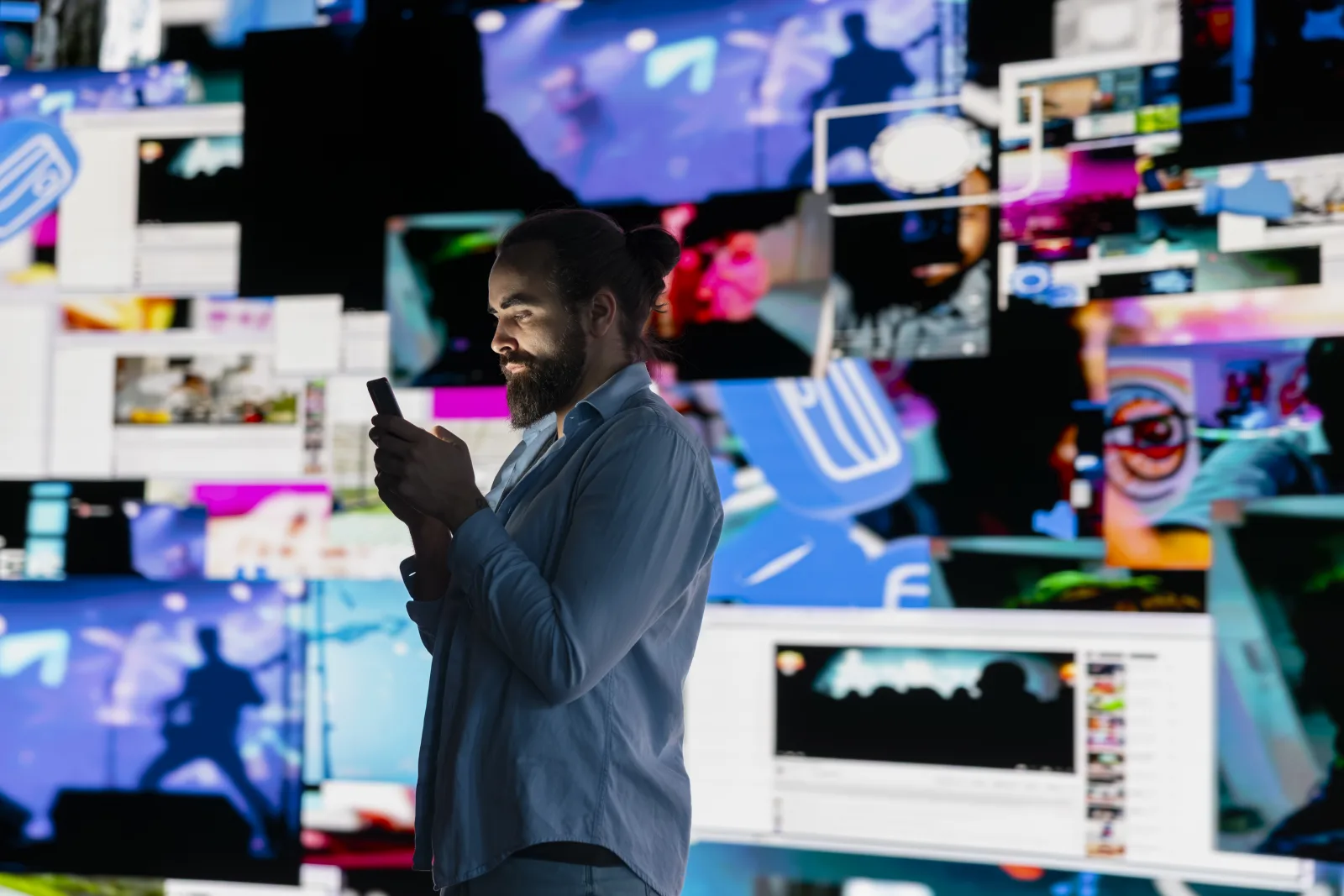
Social media platforms have become one of the most powerful forms of digital mass media. Apps like Facebook, Instagram, X, TikTok, LinkedIn, and YouTube allow people to create, share, and access content instantly. They have changed how we communicate, consume news, promote businesses, and express ideas.
Social media platforms have become one of the most powerful forms of digital mass media. Apps like Facebook, Instagram, X, TikTok, LinkedIn, and YouTube allow people to create, share, and access content instantly. They have changed how we communicate, consume news, promote businesses, and express ideas.
Key Points
- Instant Sharing: Users can post photos, videos, and updates in real time.
- Global Reach: Content can reach millions of people worldwide within minutes.
- Business & Marketing: Companies use social media to advertise products and connect with customers.
- News & Awareness: Important news and public awareness campaigns spread quickly.
- Community Building: People with similar interests can connect, collaborate, and support each other.
Social media has transformed communication by making information more interactive, accessible, and global.
- Instant Sharing: Users can post photos, videos, and updates in real time.
- Global Reach: Content can reach millions of people worldwide within minutes.
- Business & Marketing: Companies use social media to advertise products and connect with customers.
- News & Awareness: Important news and public awareness campaigns spread quickly.
- Community Building: People with similar interests can connect, collaborate, and support each other.
Social media has transformed communication by making information more interactive, accessible, and global.
Digital Journalism: News at Your Fingertips
Digital journalism has transformed the way people receive news. Instead of waiting for newspapers or scheduled television broadcasts, people can access the latest updates anytime through websites, mobile apps, and social media. News is now delivered quickly, making it easier to stay informed about local and global events. Digital journalism also uses photos, videos, live streaming, and podcasts to provide a richer and more engaging experience. As a result, people have instant access to reliable information wherever they are, making news truly available at their fingertips.
Digital journalism has transformed the way people receive news. Instead of waiting for newspapers or scheduled television broadcasts, people can access the latest updates anytime through websites, mobile apps, and social media. News is now delivered quickly, making it easier to stay informed about local and global events. Digital journalism also uses photos, videos, live streaming, and podcasts to provide a richer and more engaging experience. As a result, people have instant access to reliable information wherever they are, making news truly available at their fingertips.
Benefits of the Digital Media Era
The digital media era has made communication faster, easier, and more accessible. People can access news, education, entertainment, and useful information from anywhere with an internet connection. It has also created new opportunities for learning, online businesses, remote work, and global communication. Digital media helps people share ideas, stay connected with family and friends, and reach audiences across the world within seconds.
The digital media era has made communication faster, easier, and more accessible. People can access news, education, entertainment, and useful information from anywhere with an internet connection. It has also created new opportunities for learning, online businesses, remote work, and global communication. Digital media helps people share ideas, stay connected with family and friends, and reach audiences across the world within seconds.
The Dark Side of Digital Media
Despite its many benefits, digital media also has several challenges. The spread of fake news and misinformation can confuse people and create misunderstandings. Excessive use of social media may lead to stress, anxiety, and reduced productivity. Privacy issues, cyberbullying, and online scams have also become common concerns. Therefore, digital media should be used wisely and responsibly to ensure a safe and positive online experience.
Despite its many benefits, digital media also has several challenges. The spread of fake news and misinformation can confuse people and create misunderstandings. Excessive use of social media may lead to stress, anxiety, and reduced productivity. Privacy issues, cyberbullying, and online scams have also become common concerns. Therefore, digital media should be used wisely and responsibly to ensure a safe and positive online experience.
Fake News, Misinformation & Media Literacy
Fake news and misinformation spread quickly through digital media and can mislead people. False information often creates confusion, fear, and misunderstanding. Media literacy helps people think critically, verify facts, and identify reliable sources before believing or sharing content. Developing media literacy is essential for making informed decisions in the digital age.
Fake news and misinformation spread quickly through digital media and can mislead people. False information often creates confusion, fear, and misunderstanding. Media literacy helps people think critically, verify facts, and identify reliable sources before believing or sharing content. Developing media literacy is essential for making informed decisions in the digital age.
Artificial Intelligence and the Future of Digital Media
Artificial Intelligence (AI) is shaping the future of digital media by accelerating content creation, news recommendations, translation, and customer support. AI helps deliver personalized experiences and improves the way people access information. However, it should be used responsibly to ensure accuracy, fairness, and respect for privacy.