
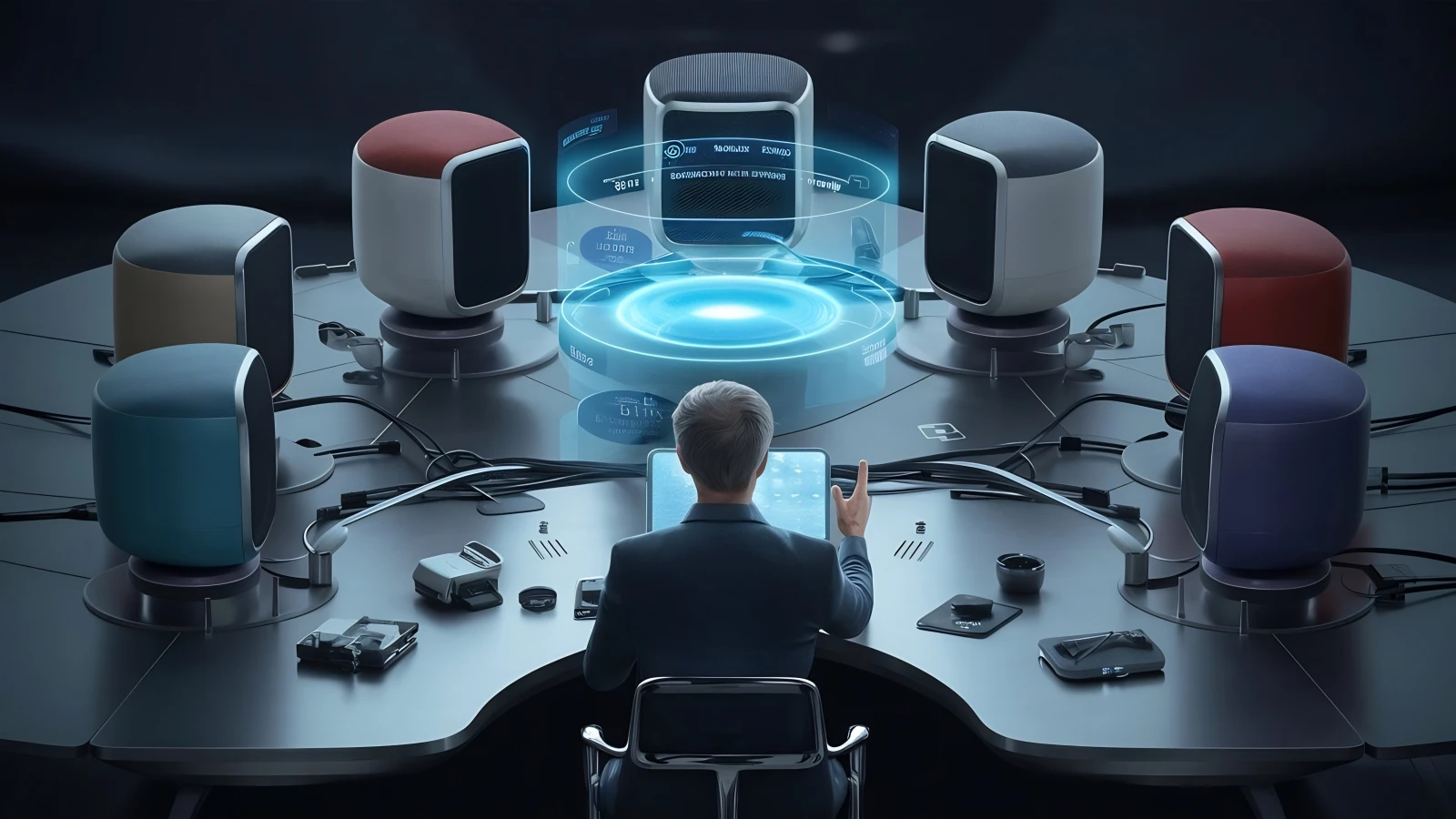
Introduction: The Nature of Work Is Shifting
The pace businesses are expected to operate at keeps rising — faster responses, better results, leaner operations. In that environment, repetitive manual work isn’t just inconvenient, it’s actively holding growth back.
That’s the gap intelligent systems are stepping into. Built on artificial intelligence and automation, they’re taking over repetitive human tasks and letting organizations run leaner and smarter.
For more on how modern digital infrastructure is evolving alongside this, take a look at our guide on
web development in 2026.
The Hidden Cost of Repetitive Work
A lot of day-to-day business operations still run on manual effort:
- Data entry
- Answering routine emails
- Task tracking and management
- Customer support
- Pulling together reports
Left unaddressed, this kind of repetitive work quietly:
- Eats up time that could go toward higher-value work
- Opens the door to more human error
- Drags down overall efficiency
- Caps how far the business can realistically scale
What Counts as an Intelligent System?
Intelligent systems combine artificial intelligence, machine learning, and automation to carry out tasks with very little human involvement.
The key difference from older-style automation: these systems can actually analyze data, spot patterns, and make decisions in real time — not just follow a fixed script.

Where Intelligent Systems Are Already Taking Over
1. Customer Support, Without the Wait
AI chatbots now handle a large share of customer queries instantly — no need for a human agent to be online around the clock.
2. Workflow Automation
These platforms link your existing tools together and let repetitive workflows run on their own.
A typical example:
- A new lead comes in → CRM updates automatically
- The right team members get notified instantly
- Tasks get assigned without anyone lifting a finger
3. AI-Generated Content
AI tools can now produce solid first drafts of articles, product descriptions, and marketing copy in a fraction of the time.
4. Faster, Smarter Data Processing
Intelligent systems can chew through large datasets far faster than any manual process ever could.
Tools like
Google Analytics
already surface automated insights that used to take a full team to compile.
5. Marketing on Autopilot
Email sequences, lead nurturing, and audience segmentation are increasingly handled without manual input.
6. Project Management That Runs Itself
Scheduling, reminders, and task assignments increasingly happen automatically instead of manually.
What Businesses Actually Gain From This
- More output: less time lost to repetitive tasks
- Fewer errors: more consistent, accurate results
- Faster turnaround: workflows and responses happen instantly
- Real scalability: more work handled without a proportional rise in headcount

A Real Case of This in Action
One digital agency was running client communication and reporting almost entirely by hand.
After bringing in intelligent systems:
- Client onboarding ran on autopilot
- Reports generated themselves on schedule
- AI chatbots handled the first round of client inquiries
The result:
lighter workload for the team, faster turnaround, and noticeably better efficiency across the board.
How to Start Bringing This Into Your Business
- Map out the repetitive tasks eating into your team’s time
- Start with one simple automation before layering on more
- Bring in AI tools where they’ll have the clearest impact
- Revisit your workflows regularly and keep refining them
Mistakes Worth Avoiding
- Trying to automate everything in one go
- Relying on tools that don’t integrate with each other
- Removing human oversight entirely
- Rolling out new systems without training the team properly
Conclusion: Intelligent Systems Are the New Baseline
Intelligent systems are steadily reshaping how businesses operate — taking repetitive human tasks off the table and replacing them with faster, smarter processes.
Businesses that adopt AI and automation early tend to see real gains in productivity, lower costs, and smoother scaling.
Going forward, the businesses that pull ahead will be the ones built around systems designed to work intelligently from the start.