

Introduction
The travel industry is changing quickly, and Financial Technology (FinTech) is one of the biggest reasons behind this transformation. Travelers no longer have to carry large amounts of cash or worry about exchanging money before every trip. With digital payment solutions, mobile banking, and secure online transactions, managing travel expenses has become easier than ever. Whether booking flights, paying for hotels, or shopping in another country, FinTech products help make every step of the journey faster, safer, and more convenient for both travelers and travel businesses.
What Is FinTech?
FinTech, short for Financial Technology, refers to the use of technology to improve and simplify financial services. It includes digital tools and applications that allow people to send money, make payments, manage bank accounts, exchange currencies, and track their spending online. In the travel industry, FinTech products such as digital wallets, virtual cards, contactless payments, and multi-currency accounts help travelers pay securely and efficiently wherever they go. These innovations reduce costs, save time, and make international travel much more convenient.
How FinTech Is Transforming the Travel Industry
FinTech is changing the travel industry by making financial services faster, safer, and more convenient. In the past, travelers often relied on cash, traditional bank cards, and expensive currency exchange services. Today, they can book flights, reserve hotels, pay for transportation, and shop internationally using digital wallets, contactless payments, and mobile banking apps. FinTech also provides secure payment systems, instant currency conversion, and AI-powered budgeting tools that help travelers manage their expenses more effectively. These innovations save time, reduce costs, and improve the overall travel experience for both individuals and businesses.
Why the Travel Industry Needs FinTech Solutions
The modern travel industry serves millions of people who travel across different countries every day. Traditional payment methods can be slow, costly, and inconvenient due to foreign transaction fees, currency exchange issues, and security risks. FinTech solutions solve these challenges by offering fast digital payments, real-time currency conversion, secure online transactions, and easy expense tracking. They also help travel businesses process payments more efficiently, reduce fraud, and provide customers with a smoother booking and payment experience. As international travel continues to grow, FinTech has become an essential part of delivering safe, seamless, and customer-friendly travel services.
Top FinTech Products Revolutionizing Travel
Digital Wallets
Digital wallets allow travelers to store their payment cards, boarding passes, loyalty cards, and tickets in one secure mobile app. Instead of carrying cash or physical cards, users can make contactless payments with their smartphones or smartwatches. Digital wallets offer convenience, faster transactions, and enhanced security, making them one of the most popular FinTech solutions for modern travelers.
Virtual Cards
Virtual cards are temporary digital payment cards designed for secure online transactions. They generate unique card numbers for bookings, reducing the risk of fraud or unauthorized use. Travelers can use virtual cards to safely book flights, hotels, and rental cars while protecting their actual bank account information.
Multi-Currency Digital Accounts
Multi-currency accounts allow travelers to hold, exchange, and spend different currencies from a single account. They provide competitive exchange rates and help users avoid high foreign transaction fees, making international travel more affordable and convenient.
Buy Now, Pay Later (BNPL)
Buy Now, Pay Later services let travelers book flights, hotels, and vacation packages immediately while paying the cost in smaller installments over time. This flexible payment option makes travel more accessible and helps people manage their budgets more effectively.
Contactless Payment Solutions
Contactless payment technology enables travelers to pay by simply tapping their card, smartphone, or smartwatch on a payment terminal. It speeds up transactions, improves hygiene, and reduces the need to carry cash, making it ideal for airports, hotels, restaurants, and public transportation.
AI-Powered Expense Management Apps
AI-powered finance apps help travelers monitor their spending in real time. These apps automatically categorize expenses, create travel budgets, send spending alerts, and provide personalized financial insights, helping users stay within their planned budget throughout their trip.
Real-Time Currency Exchange Platforms
Real-time currency exchange platforms offer live exchange rates and instant currency conversion. Unlike traditional exchange services, they usually charge lower fees and provide transparent pricing, allowing travelers to save money when making international payments.
Digital Travel Insurance
Digital travel insurance platforms allow users to purchase insurance policies online within minutes. Travelers can compare plans, complete digital applications, and submit claims through mobile apps, making the insurance process faster and more convenient.
Blockchain-Based Payment Systems
Blockchain technology enables secure and transparent international payments without relying heavily on traditional banking systems. It reduces transaction costs, increases payment security, and has the potential to improve loyalty programs and identity verification in the travel industry.
Fraud Detection and Secure Payment Technologies
Modern FinTech platforms use artificial intelligence and machine learning to detect suspicious transactions instantly. These advanced security systems help protect travelers from payment fraud, identity theft, and unauthorized account access, ensuring safer financial transactions during travel.
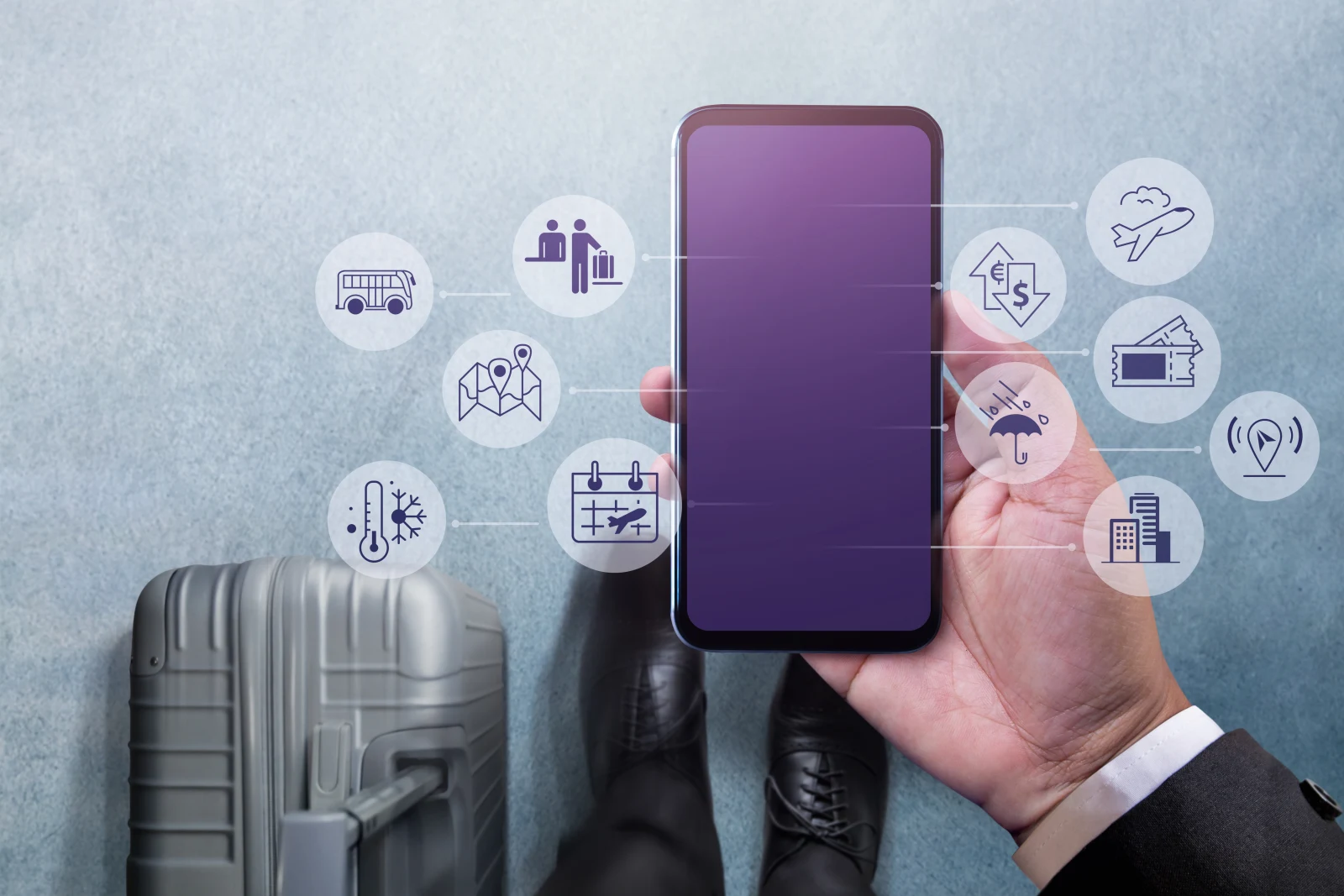
Benefits of FinTech Products for Travelers
FinTech products make traveling easier, safer, and more affordable. They help travelers manage their money efficiently while reducing many of the common problems associated with international travel.
Easy and Fast Payments
Travelers can pay for flights, hotels, restaurants, and transportation using digital wallets, mobile banking apps, or contactless cards without carrying cash.
Lower Foreign Transaction Costs
Many FinTech services offer better exchange rates and lower international transaction fees than traditional banks, helping travelers save money.
Improved Security
Features such as virtual cards, biometric authentication, encryption, and fraud detection protect users from online scams and unauthorized transactions.
Better Budget Management
AI-powered finance apps track spending, categorize expenses, and provide real-time alerts, making it easier to stay within a travel budget.
Convenient Currency Exchange
Multi-currency accounts and digital exchange platforms allow travelers to convert money instantly at competitive exchange rates.
24/7 Access to Financial Services
Travelers can check account balances, transfer money, or make payments anytime through mobile apps, no matter where they are.
“`
Benefits of FinTech for Travel Businesses
FinTech solutions also provide significant advantages for airlines, hotels, travel agencies, and online booking platforms by improving payment systems and customer satisfaction.
Faster Payment Processing
Digital payment systems process transactions quickly, reducing waiting times and improving cash flow.
Increased Customer Satisfaction
Offering multiple payment options, including digital wallets and Buy Now, Pay Later (BNPL), provides customers with greater convenience and flexibility.
Reduced Fraud Risks
Advanced security technologies such as AI-based fraud detection and tokenization help businesses prevent fraudulent transactions.
Global Payment Acceptance
Travel businesses can accept payments from customers around the world in different currencies, expanding their international customer base.
Lower Operational Costs
Automated payment processing reduces paperwork, minimizes manual errors, and lowers administrative expenses.
Better Business Insights
FinTech platforms provide real-time financial reports and customer payment data, helping businesses make informed decisions and improve their services.
Challenges of Adopting FinTech in the Travel Industry
Although FinTech offers many benefits, there are still some challenges that businesses and travelers need to consider.
Cybersecurity Threats
As more financial transactions move online, the risk of cyberattacks, data breaches, and payment fraud also increases. Strong security measures are essential to protect sensitive customer information.
Different Financial Regulations
Each country has its own banking and payment regulations. FinTech companies must comply with local laws, which can make international operations more complex.
Dependence on Internet Connectivity
Most FinTech services require a stable internet connection. Travelers may face difficulties using digital payment systems in remote areas with limited network access.
Technology Adoption
Some travelers and small businesses may be unfamiliar with digital financial tools or hesitant to adopt new technologies, slowing the transition to FinTech solutions.
System Integration Costs
Travel companies may need to invest in new software, payment gateways, and employee training to integrate FinTech solutions into their existing systems.
Privacy and Data Protection
FinTech platforms collect financial and personal data. Protecting this information and complying with privacy regulations is essential to maintain customer trust.

Future Trends in Travel FinTech
The future of travel FinTech is focused on making payments faster, safer, and more personalized. New technologies such as artificial intelligence, biometric security, cryptocurrency, and open banking are changing how people pay for travel services. These innovations aim to improve customer experiences while helping travel businesses operate more efficiently.
AI-Powered Personalized Travel Payments
Artificial Intelligence (AI) is making travel payments smarter by analyzing customer preferences and spending habits. AI can recommend the best payment methods, create personalized travel budgets, detect fraudulent transactions, and offer customized financial services. This helps travelers save time and manage their expenses more effectively.
Biometric Authentication
Biometric authentication uses unique physical features, such as fingerprints, facial recognition, or iris scans, to verify a user’s identity. Instead of entering passwords or PINs, travelers can securely approve payments with a simple scan. This technology improves both convenience and security.
Cryptocurrency Payments
Some airlines, hotels, and travel companies are beginning to accept cryptocurrencies such as Bitcoin for payments. Cryptocurrency transactions can offer faster international transfers, lower processing fees, and secure blockchain-based payments. Although adoption is still growing, digital currencies may become a common payment option in the future.
Embedded Finance in Travel Platforms
Embedded finance allows travelers to access financial services directly within travel websites and mobile apps. Instead of switching between different platforms, users can pay for bookings, purchase travel insurance, exchange currencies, or apply for installment plans during the booking process. This creates a smoother and more convenient customer experience.
Open Banking for Travel Services
Open banking enables secure sharing of financial information between banks and authorized service providers with the customer’s permission. It allows travelers to make direct bank payments, receive faster refunds, and access personalized financial products. Open banking also helps travel businesses reduce payment processing costs and improve transaction speed.
How to Choose the Right FinTech Solution for Travel
Selecting the right FinTech solution depends on your travel needs and financial preferences. Before choosing a platform, consider its security features, payment options, fees, and ease of use. A reliable FinTech service should offer secure transactions, competitive exchange rates, low international fees, and excellent customer support. It should also be widely accepted in the countries you plan to visit and provide useful features such as expense tracking, multi-currency support, and fraud protection.
Frequently Asked Questions (FAQs)
What is FinTech in the travel industry?
FinTech in the travel industry refers to digital financial technologies that make travel payments, currency exchange, budgeting, and online bookings faster, safer, and more convenient.
How do digital wallets help travelers?
Digital wallets allow travelers to make secure, contactless payments using their smartphones or smartwatches without carrying large amounts of cash or multiple physical cards.
Are virtual cards safe for booking flights and hotels?
Yes. Virtual cards generate temporary card numbers that protect your actual banking information, making online bookings more secure.
Can FinTech reduce international transaction fees?
Yes. Many FinTech platforms provide lower foreign transaction fees and better exchange rates than traditional banks, helping travelers save money.
What is the future of FinTech in the travel industry?
The future includes AI-powered payment systems, biometric authentication, cryptocurrency payments, embedded finance, and open banking. These technologies will make travel payments more secure, personalized, and efficient for both travelers and businesses.
“`