
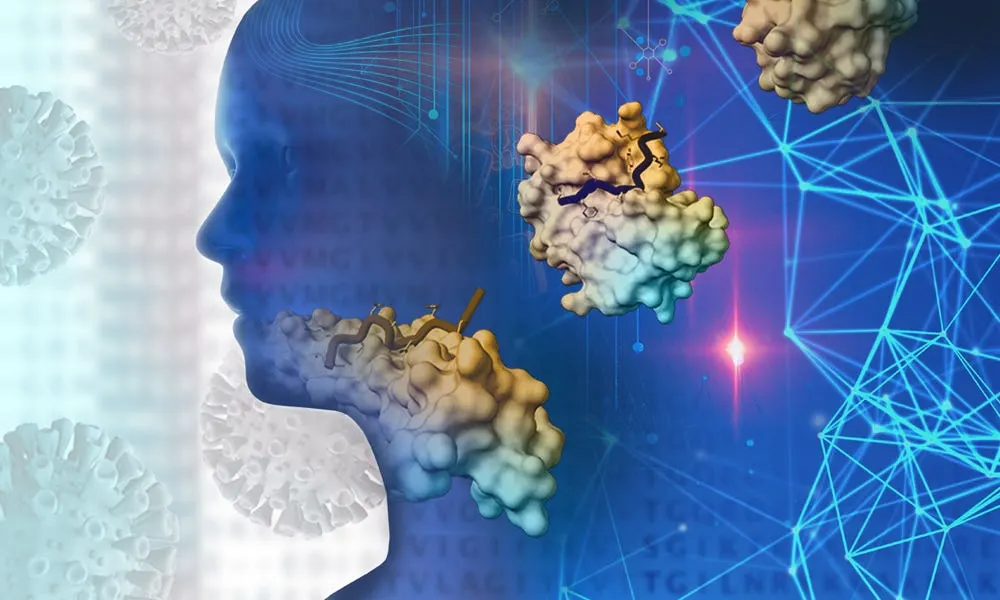
AI in Healthcare: Saving Lives Through Smart Technology
Healthcare systems around the world face growing challenges, including rising patient numbers, delayed diagnoses, increasing medical costs, and shortages of healthcare professionals. These issues can lead to slower treatment, preventable medical errors, and unequal access to quality care. Traditional healthcare methods alone are often unable to keep pace with the growing demand for faster, more accurate, and personalized medical services. Artificial Intelligence (AI) is emerging as a powerful solution to these challenges. By analyzing medical data in real time, supporting clinical decision-making, detecting diseases at earlier stages, and automating routine tasks, AI enables healthcare providers to deliver safer and more efficient care. It is not replacing doctors but enhancing their ability to make informed decisions and improve patient outcomes. This article explores how AI is transforming healthcare, the technologies driving this change, its real-world applications, key benefits, challenges, and the future of smart healthcare.
What Is AI in Healthcare?
Artificial Intelligence (AI) in healthcare is the use of smart computer systems to help doctors, nurses, and hospitals provide better medical care. AI can quickly analyze large amounts of medical data, recognize patterns, and support healthcare professionals in making accurate decisions.
For example, AI can examine X-rays or MRI scans and highlight possible signs of diseases such as pneumonia or cancer. The doctor then reviews the results and confirms the diagnosis. This helps detect illnesses earlier and speeds up treatment.
AI is also used to organize patient records, monitor patients through wearable devices, and improve hospital operations. It does not replace healthcare professionals. Instead, it works as a powerful tool that helps them deliver faster, safer, and more personalized care.
How AI Is Transforming Healthcare
- Faster Disease Diagnosis: AI helps doctors detect diseases quickly by analyzing medical data and images.
- More Accurate Treatment: AI supports personalized treatment plans based on a patient’s health information.
- Early Disease Detection: AI identifies health risks early, allowing treatment to begin sooner.
- Better Patient Monitoring: AI-powered wearable devices track health and alert users to potential problems.
- Improved Hospital Efficiency: AI automates routine tasks like scheduling and record management, saving time.
- Enhanced Medical Research: AI accelerates drug discovery and helps researchers develop new treatments more quickly.
Major Applications of AI in Healthcare

Artificial Intelligence is used in many areas of healthcare to improve the quality and speed of medical services. It helps doctors analyze medical images such as X-rays, CT scans, and MRIs to detect diseases earlier. AI also speeds up drug discovery by analyzing research data and identifying promising medicines. During surgery, AI-powered robotic systems assist surgeons by improving precision and reducing the risk of complications. In telemedicine, AI supports virtual consultations and remote patient monitoring through wearable devices that track vital signs such as heart rate and blood pressure. It is also used to organize electronic health records, making patient information easier to access. These applications help healthcare professionals make better decisions while providing safer, faster, and more efficient patient care.
Challenges and Ethical Concerns
Data Privacy and Security
AI systems need access to large amounts of patient data to work effectively. This information includes medical records, test results, and personal details. Healthcare organizations must protect this data from cyberattacks and unauthorized access. For example, if patient records are leaked, it can put people’s privacy and safety at risk.
AI Bias and Fairness
AI learns from the data it is trained on. If the training data is incomplete or biased, the AI may produce unfair or inaccurate results for certain groups of people. For example, an AI system trained mostly on data from one population may not perform as accurately for patients from different backgrounds.
Human Oversight
AI is designed to support healthcare professionals, not replace them. Doctors and medical staff must review AI recommendations before making important decisions. Human judgment is essential because AI can make mistakes or miss details that an experienced healthcare professional would notice.
The Future of AI in Healthcare

Artificial Intelligence is expected to play an even bigger role in healthcare in the coming years. As AI systems become more accurate and reliable, they will help doctors prevent diseases, provide personalized treatments, and improve patient care. Instead of only treating illnesses after they appear, healthcare will focus more on predicting and preventing health problems before they become serious.
Predictive Healthcare
Predictive healthcare uses AI to analyze medical history, lifestyle, and health data to identify individuals at risk of developing certain diseases. For example, AI can detect early signs of heart disease or diabetes and alert doctors, allowing patients to receive treatment before the condition worsens.
Precision Medicine
Precision medicine uses AI to create treatment plans based on each person’s unique characteristics, such as their genes, medical history, and lifestyle. For example, two patients with the same type of cancer may receive different treatments because AI helps doctors determine which option is more likely to be effective for each individual.
Final Thoughts
Artificial Intelligence is changing healthcare by helping medical professionals deliver faster, more accurate, and more personalized care. From early disease detection and improved diagnosis to smarter treatment planning and efficient hospital management, AI is making healthcare safer and more effective. However, its success depends on responsible use, strong data protection, and continued human oversight. AI should be viewed as a tool that supports healthcare professionals rather than replacing them. As technology continues to evolve, AI will play an increasingly important role in preventing diseases, improving patient outcomes, and expanding access to quality healthcare. When combined with medical expertise and ethical practices, AI has the potential to save more lives and shape the future of modern medicine.
Frequently Asked Questions (FAQs)
Can AI Replace Doctors?
No. AI cannot replace doctors because it lacks human judgment, experience, and empathy. It is designed to assist healthcare professionals by analyzing data, identifying patterns, and providing recommendations. Doctors remain responsible for diagnosing patients, making treatment decisions, and delivering compassionate care.
Is AI Safe in Healthcare?
AI can be safe and effective when it is properly developed, tested, and monitored. Healthcare organizations must protect patient data, regularly evaluate AI systems, and ensure that medical professionals review AI-generated recommendations before making important decisions.
What Are the Biggest Benefits of AI?
The biggest benefits of AI in healthcare include faster disease detection, more accurate diagnoses, personalized treatment plans, improved patient monitoring, reduced medical errors, and greater hospital efficiency. These advantages help healthcare providers deliver better care while improving patient outcomes.